Role of music & movement in development
Music and movement is an ideal tool to enhance a child’s development.
Music has such beneficial qualities. It leads to so many areas of learning. Children can demonstrate increased self-regulation, increased enthusiasm as well as persistence in regards to learning, their ability to work as part of a team are to name a few key benefits of music and movements.
Music is one of the elements to development that can be tossed aside in its importance, however, the role music plays can be crucial to a child’s development.
Music has been attributed to progress made with some children in various areas and it has been proven to have results in child behaviour, disabilities as well in overall development.
Music promotes and extends
Self-esteem and confidence is often built. Shy children often become more expressive, children who appear ‘bored ‘or seem easily ‘bored’ often become more enthusiastic about school through the enjoyment of music, children who are often seen as less coordinated develop strength and stamina through music.
Music can improve cognitive development as it engages many elements such as bodily- kinesthetic and musical intelligence as well as spatial, linguistic, interpersonal capabilities and mathematical. It is also known to have a dramatic effect on reading and literacy skills.
Physical development is also improved essentially gross motor such as eye tracking, problem solving through engaging a child to think, perceive and analyze ideas and timing. Music and movement lay the basis for the fine motor development needed for literacy skills.
Skills music contributes to
Psychomotor skill:
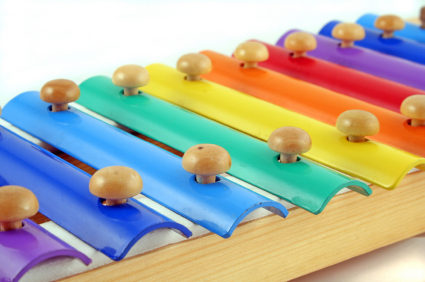
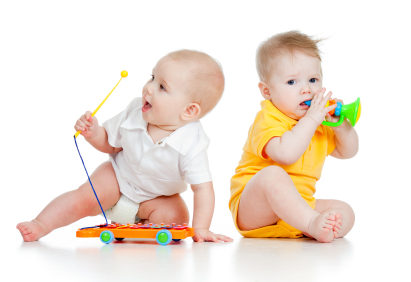
This is where they will practice their large and small muscle control and explore making music and sounds. It is where they will strike a key on the xylophone or do some creative dance as their way of interpreting the music and so on;
Perceptual skills:
Is their ability to perceive music. From when they are a baby they are able to recognize a voice or favourite song and then it is their ability to demonstrate the ability to recognise it.
Cognitive skills:
When a child gains musical intelligence it also means that they are able to mentally process the aspects related to music such as melody and rhythm.
Social skills:
Doing music and movement enables them to participate in group situations, cooperate and share, etc.
Cultural skills:
Music can familiarise children with different cultures, ethnic groups, etc.
Aesthetic skills:
Music can contribute to a child’s aesthetic sensibilities and they are able to develop feelings, impressions, etc. We can extend this by asking such questions as “how does the music make you feel?”