Stage 3: Onlooker
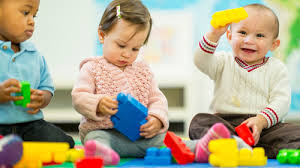
As a child grows they will start to notice others around them during their play. This is considered Onlooker play and is around the 2 -2½ years.
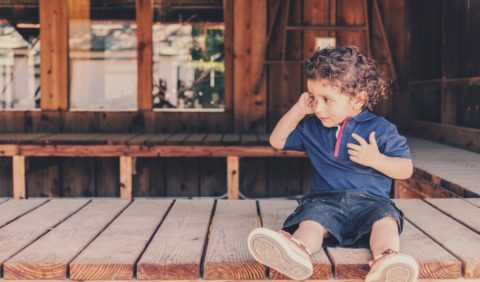
In this stage the child spends most of their time observing, watching other children play.
The onlooker is observing particular children and/or groups of children. They will be close to the other children but just not join in. They will stand or sit within speaking distance from other children purely with the motivation to observe their play and you may find that the child may engage in forms of social interaction, such as conversation, asking questions, giving suggestions, without actually joining in the activity. They don’t overtly enter the play. They are not an active participant in the play around them rather a onlooker and observer.
The child is learning by watching others. They are interested in others but may not quite be ready to join in. Children who go through an onlooker (or “watcher”) stage get to be mentally engaged without the potential intimidation of actually being in the thick of things
This stage of play often runs concurrently with Solitary play.
This is also commonly known as spectator play.
Positives of Onlooker Play
- Children acquire self-knowledge.
- Observing other children and other kinds of play help them build confidence.
- They practice interacting.
- They learn how to cooperate with other children.
- Onlooker stage provides opportunities to manipulate their cognitive experience of the behaviors of others.
- They are gaining information which will later be used within the context of their physical, verbal, emotional, and social behaviours.
The onlooker stage offers an opportunity to watch and learn before stepping into the action.
Onlooker play’ (observing and watching others) is followed by ‘parallel play’ – playing ‘next to’ but not ‘with’ other children – at around two or three years of age.