
Building resilience
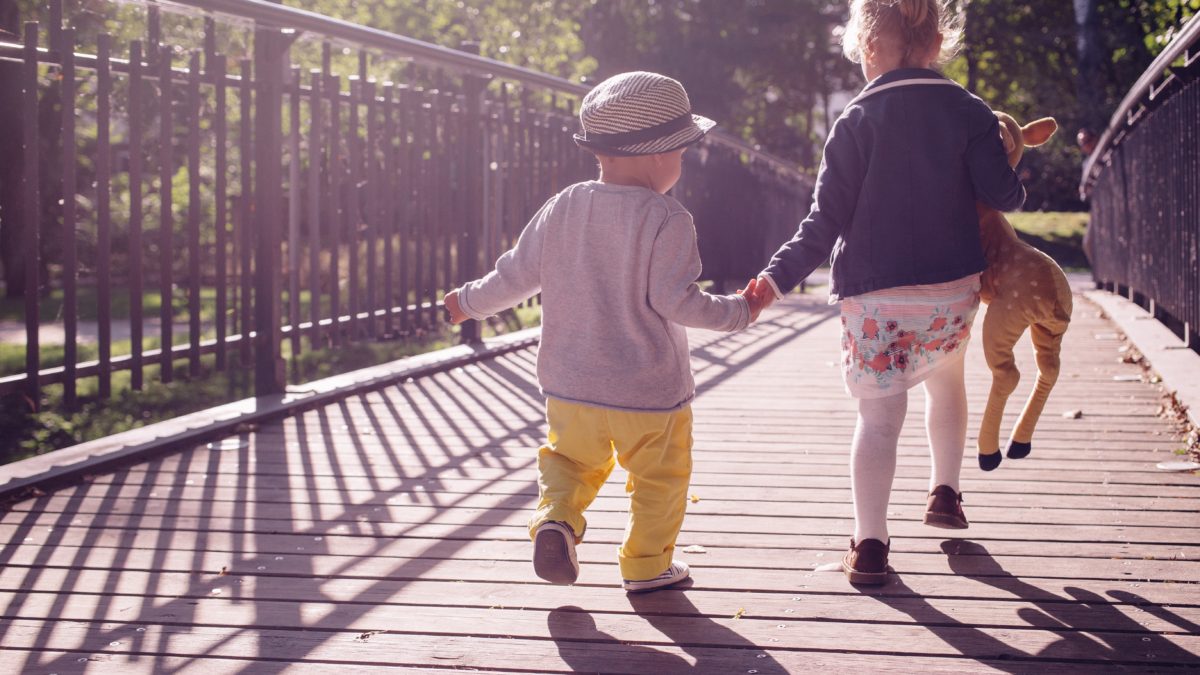
Resilience in children is the ability to cope with challenges and the ability to ‘bounce back’. Children learn and develop resilience over time and experience.
Building resilience in children is a important part of their development. Resilience and stress are closely connected.
Resilience is not just about coping with challenges it is also about having a go at tackling them. It is about trying and the doing. It is about a child’s ability to bounce back from stress, adversity, challenge, trauma. A child who is more resilient is generally braver, more curious and more adaptable.
It is not about whether a child succeeds all the time, it is important to reassure them that it is ok if they aren’t successful.
How we assisting in a child building resilience
Resilience is promoting and development of independence and role modelling so they get a chance to see other try, make mistakes and continue on.
Helping a child learn how to deal with situations is a much better tool than doing it for them in an attempt to help them. For example, it is much more beneficial to help your daughter to deal with the other girls who were mean to her than to talk to the mean girls yourself. If you find that your child needs help then arming her with the tools to deal with it is the best course of action and discussing it with her at a later time to go through it and see how she felt about it and any possible changes for next time or challenges she saw this time. Kids who are more resilient are those that have had support in sharing their problems and finding solutions to them.
How we can impact a child’s resilience
While it might seem like a positive strategy to attempt to ensure your child is given the best of everything it has the potential of obstructing a child from learning how to deal with others and a variety of situations which is essential for their smooth transition to school and their life during school years. It also is linked with how they cope with adversity later in life.
If as a parent (educator or nanny) we inadvertently over advocate for our child then we are potentially setting them up for failure.
This is because while we may have the best of intentions in our actions, however, research has found that over protected kids are generally far less resilient and therefore less capable of dealing with life’s challenges.
So if you are finding yourself, even well intentioned, demanding that your child be afforded the best of everything (such as being placed in what you consider the best group or believing that your child can only play with the behaved other kids) remind yourself that you possibly being an overprotective parent who is hindering your child from learning about disappointment, which is a valuable life lesson. Disappointment, making mistakes and overcoming challenges all help to develop resilience. Of course there is a difference between building resilience for a child when playing with others and getting bullied.