Risky play
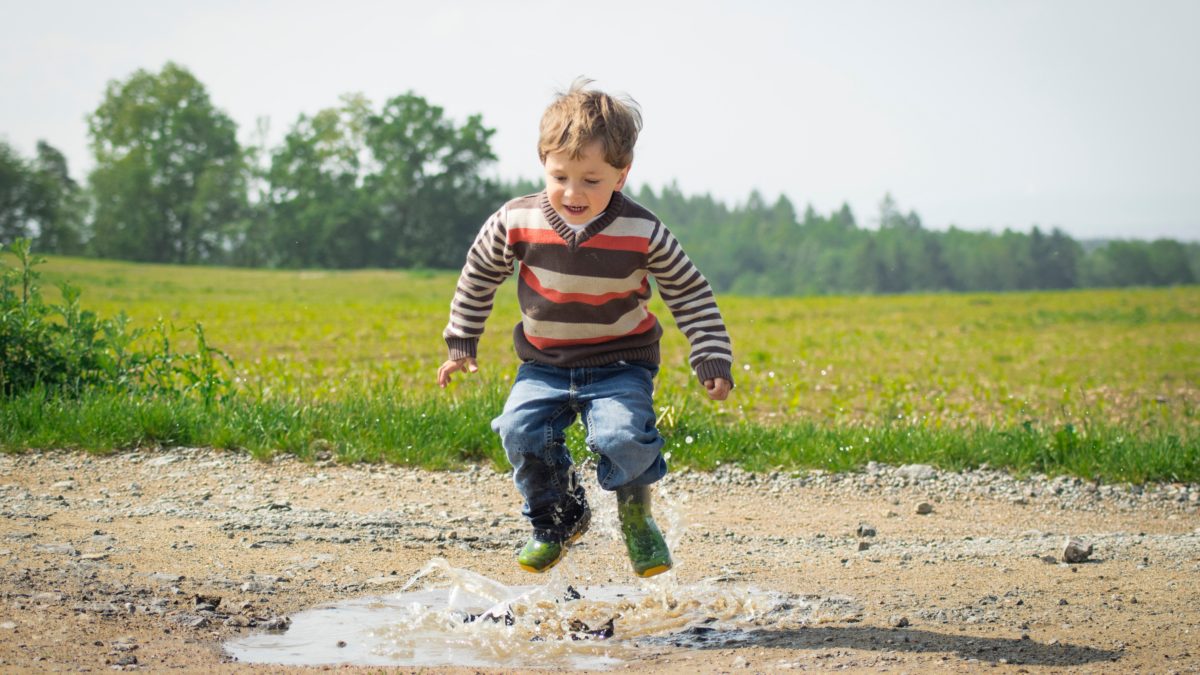
Why do children engage in risky play? Why is it so important in childhood?
Life is full of risks. Fostering a positive approach to risk in play is key to addressing the need for a child to engage in risky play and to protect their safety.
When children are at play, they need to be safe and secure.
As adults we have a legal and moral duty to provide a safe and secure environment which includes identifying and reducing or eliminating risk.
We need to take into consideration risks which are acceptable as children need to be able to explore and take monitored risks.
Obviously, a child’s safety is paramount, and supervision is vital.
A child should not be allowed to take unnecessary risks with their own or others safety and well-being.
Providing the opportunity for a child to engage in risk taking play and connecting a positive approach and promoting measured risks during play is imperative.
Risky play supports, with provisions, the well-being of children and young people through ensuring a balance between safety, risk and challenge.
Children need and instinctively want to be able to take risks to test their abilities and strengths.
And they need the opportunity to challenge themselves. A child who engages in risky play is challenging themselves physically, mentally, emotionally and cognitively.
A child needs the opportunity to practice and develop new skills and we need to support them to take these risks as part of their learning and development.
The success in embracing a positive approach is in the planning and the providing of experiences for the child.
The overall goal is not to eliminate risk, but to weigh up the risks and benefits.
Having an established framework for play which incorporates practices and principles to ensure consistency and safety should underpin the play.
The framework should acknowledge children are capable learners and recognize their capacity for enhanced development when provided the opportunity to access a broad range of experiences and environments with a focus on controlling the real risks, while securing or increasing the benefits.
This develops a holistic risk-benefit model which entails a common sense approach to risk in play, weighing up all the benefits along with the risks involved.
Part of this approach is in the procedures in place.They must always safeguard children.
Children should be guided in how to use equipment safely and the expectations within the setting. For example, if climbing and falling is a risk then to minimise the risk there are measures that can be put in place. Measures such as ensuring that every child engaged in the activity know the ‘rules’, there is safety precautions such as safety mats, there is adequate supervision, correct positioning of the equipment (away from windows or walls), no overcrowding, etc.
Children need the opportunity to face challenges in a supportive environment. This helps a child to learn and explore as well as learn to assess and manage risk for themselves.
Experiences and environments should always be age and stage appropriate.
Children should always be supervised, especially when they are engaged in risky play.
It is important to know when to step in and assist or when to sit back and let the child solve issues by themselves.
Risky play in practice
Risky play can take on may facets depending on the setting, the age of the child, etc.
Some examples of risky play in action include:
- Woodwork using real tools such as hammer and nails.
- Exploring nature.
- Loose part play where there are items such as plastic pipes, milk crates, large reels, ropes, sticks, etc.
- Mud play.
- Using climbing apparatus such as a slide in the non-traditional way. For example, going up the slide not down.
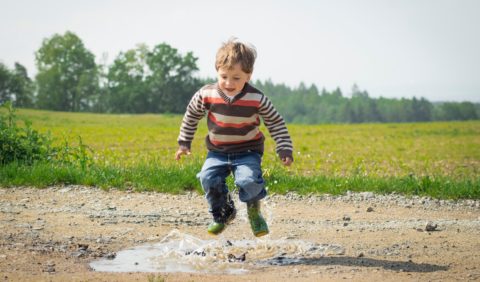
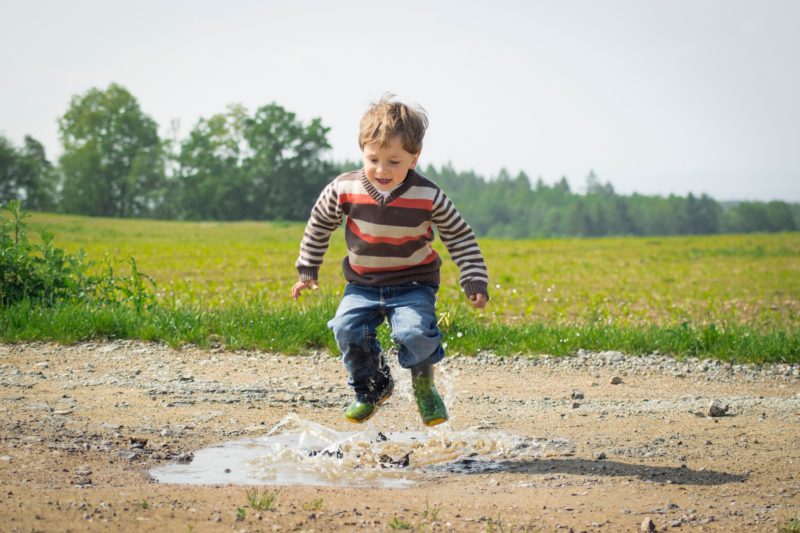
- Playing in the rain.
- Fire pits where children can cook or play dramatically such as camping.
- Climbing on trees and logs.
benefits of risky play
Play in itself is beneficial to a child. Risky play holds the same benefits and some which can be more closely attributed to risky play itself.
Benefits of such as:
- Building resilience and persistence.
- Understanding consequence to action. Learn about positive and negative consequences to actions.
- Awareness of the capabilities and limits of their own bodies.
- The ability to assess and make judgement about risk.
- Take acceptable risks.
- Confidence and independence.
- Resourcefulness.
- Creativity and inventiveness.
- Develop coordination, balance and orientation skills.
- Curiosity and wonder.
- Problem solving.
- Handling materials and tools safely and with purpose.
Role of the adult in risky play
Primarily, our role is to support and encourage.
Our support and encouragement will build their confidence and skills.
Whilst a child requires the freedom to explore it should always be provided with adequate supervision for their safety.
Adults need to continually observe the play as at times there may need to be small adjustments to meet the need and/or interests of the child.
Our role is demonstrated through:
- An adult has the potential to extend the play.
- Risk assess the areas used daily.
- Be aware of and alert of any potential dangers. Continue to scope the area.
- Ensure health and safety procedures and policies are being followed.
- Support the child to takes risks and explore.
- Make sure all children are safe and protected in all weathers.
- Respect a child’s efforts or choice to not participate.
- Ensure equipment is safe and age and stage appropriate.
- Join in when invited into children play.
- Be enthusiastic and invested.
- Plan fun, stimulating and challenging play experiences.
- Reinforce the rules – correct handling of tools and resources such as not running with scissors, etc.
- Ensure the environment is inclusive and promotes all children the opportunity to take part.
- Provide experiences and environments that scaffold a child’s learning and development.
- Reflect on what works or not work and why and adapt where necessary.