Salt intake
Too much salt can have harmful affects, especially for babies and children.
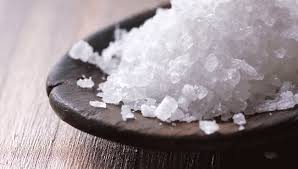
Salt is called sodium chloride. It is suggested that nearly ¾ of babies have a higher daily salt intake than recommended.
A child’s little body can’t cope with too much salt, especially their kidneys.
A baby under 1 year old for example needs less than a 1 gram salt intake per day (adults recommended guideline is 6 grams per day which is about 1 teaspoon).
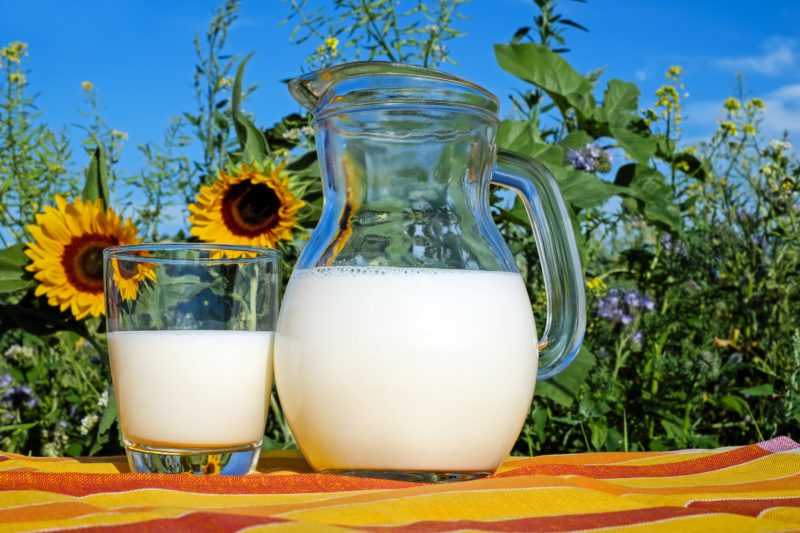
Whether they are breast or formula fed the milk is a prefect source of just the right amount but once foods are introduced it is important to be aware and try to limit as much as possible the amount of salt intake in their diet.
The daily recommended maximum amount of salt children should eat depends on age.
Recommended salt intake by age
- Babies to 1 year – less than 1 gram/day (suggested to be no more than 400 mg)
- 1 to 3 years – 2 gram/day (0.8g sodium)
- 4 to 6 years – 3 gram/day (1.2g sodium)
- 7 to 10 years – 5 gram/day (2g sodium)
- 11 years and over – 6 gram/ day (2.4g sodium)
Salt rich foods
- Baked beans.
- Gravies.
- Salami.
- Bacon.
- Olives.
- Ham.
- Soy sauce.
- Cheese.
- Stock cubes.
Depending on individual brand these food may also be high in salt:
- Pasta sauces.
- Sausages.
- Soups.
- Ready made meals.
- Sauces such as tomato and BBQ.
- Bread products such as bagels, crumpets, etc.
Ways to reduce salt intake
- Limit the amount of salt in foods by reading the nutritional labels on the packaging.
- Try not to add salt to foods.
- Choose lower salt option foods. High is more than 1.5g salt per 100g (0.6g sodium) whereas what is considered a low salt food is Low is 0.3g salt or less per 100g (or 0.1g sodium).
- Eat high salt foods on occasion, not regularly.
- Always provide child specific foods. Foods that are not generally have a higher salt level.