
Sudden Infant Death Syndrome (SIDS)
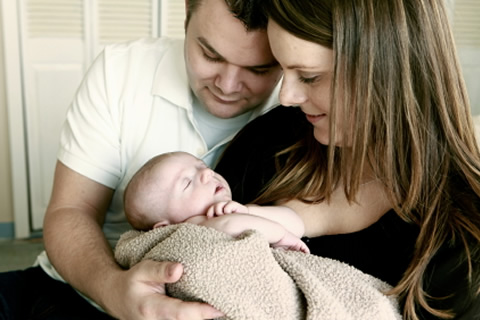
SIDS is the acronym for Sudden Infant Death Syndrome.
SIDS is often known as ‘cot death’ or ‘crib death’.
While the exact cause of SIDS is largely unknown researchers believe it is the inability to rouse a baby from their sleep.
Unfortunately, there are babies generally under 1 year old that die of an unexplained death during their sleep.
Although the definite cause of SIDS is unknown it is generally associated with a baby’s brain and the portion that regulates and controls breathing and and arousal from sleep.
While the awareness campaigns such as Red Nose Day has reduced the incidents of Sudden Infant Death Syndrome significantly, unfortunately around 80 babies still die each year in Australia.
Boys tend to die at double the rate of girls.
The incidence of SIDS is 1 in approximately 1,500 babies per year.
SIDS occurs worldwide.
SIDS does not discriminate. It occurs in any family circumstance.
What is SIDS?
SIDS is the sudden death of a baby.
Generally it occurs in a baby younger than 1 yr old.
They die suddenly and unexpectedly.
Often after an investigation no specific explanation can be given.
For most of the cases babies are 6 months or younger.
Tragically, families can have more than one child die from SIDS.
There is no evidence to link immunisations with SIDS which has been something that has floated around over the years.
Reducing the risk factors for SIDS
There is no 100% strategy to prevent SIDS. The more research into SIDS leads to better understanding and education.
The more we learn about the causes, the risks and the preventative methods we can use the more we can reduce the incidents and lower the statistics.
having said that there are accepted strategies to promote safe sleep and ultimately reduce the risks.
- Place your baby to sleep on their back.
- Remove any blankets, bumpers or toys from their bed.
- A dummy may be used at sleep time.
- Don’t smoke while pregnant, and this also includes not allowing anyone to smoke around your infant.
- Swaddle your child. Incorrect swaddling techniques can hinder the reduction of the risk in SIDS. It is important to swaddle correctly.
- Don’t put your baby to sleep on their stomach or side.
- Ensure your baby doesn’t overheat. Limit the number of bedding.
- Use a firm mattress with a fitted sheet.
- Sleep in the same room as your baby.
Can baby monitors reduce the risk of SIDS?
In an ideal world there would be a measure such as using a baby monitor that could reduce the risk of SIDS.
Unfortunately there is no magic element.
There are currently no baby monitors on the market that are proven to reduce the risks associated with SIDS, regardless of the advertising and potential promises.
There has been an increase of baby monitors that can provide some comfort to families, however, there is no fail safe measure, including the use of baby monitor, that will prevent or reduce the risk of SIDS.
Monitors are recommended to be used for peace of mind only. They are best used for monitoring from another room not as a safety measure.
A baby monitor will NOT reduce the risk of SIDS.
Following safe sleeping guidelines is the only known factor that can assist in the prevention and reduction of risks associated with SIDS.
Baby monitors primary use is to ease the concern and offer peace of mind in some way but they do not offer any proven reduction in the risk of SIDS.
What is the research surrounding SIDS?
There is constantly changing research as it is a continuing area of research.
Experts believe SIDS victims have an immature arousal center in the brain.
Researchers at the Children’s Hospital in Boston believe that SIDS is due to a brain abnormality.
They believe that babies who have died from SIDS have had abnormalities in the brain’s stem, the section of the brain that helps to regulate the breathing, heart rate, temperature and the arousal.
The study also revealed that the babies also had abnormalities in the nerve cells that make and use serotonin.
It is the serotonin that transmits the messages between the nerve cells and helps to control the functions such as breathing and also their sensitivity to carbon dioxide.
Research suggest that if babies do lie on the stomachs, (which is advised against in the SIDS checklist) and is they have their faces covered, that they breathe in carbon dioxide which actually deprives them of oxygen.
If this was to happen in ‘normal’ brain development then the baby would have their nerve cells in the brains stem that were triggered by the carbon dioxide and the respiratory and arousal centres would be activated and the baby would wake up and start to breath faster but the babies with abnormalities were unable to respond.
This research agrees with what researchers have been looking for in a biological basis to cement their suspicions.