Why reading is important in literacy
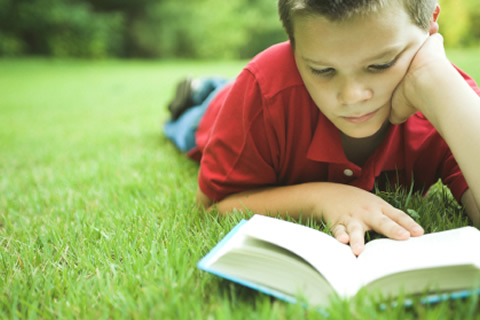
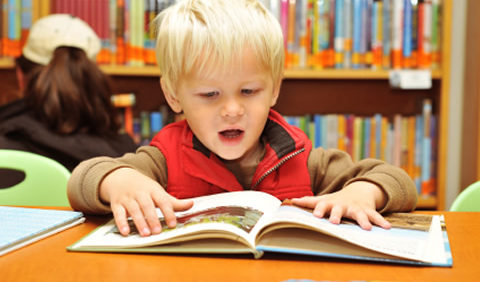
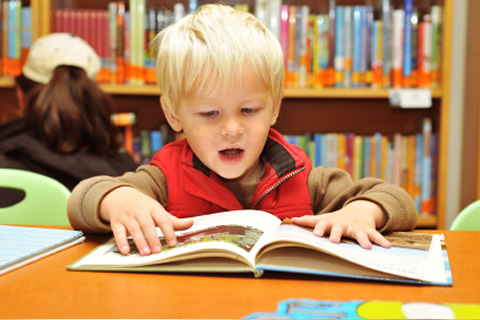
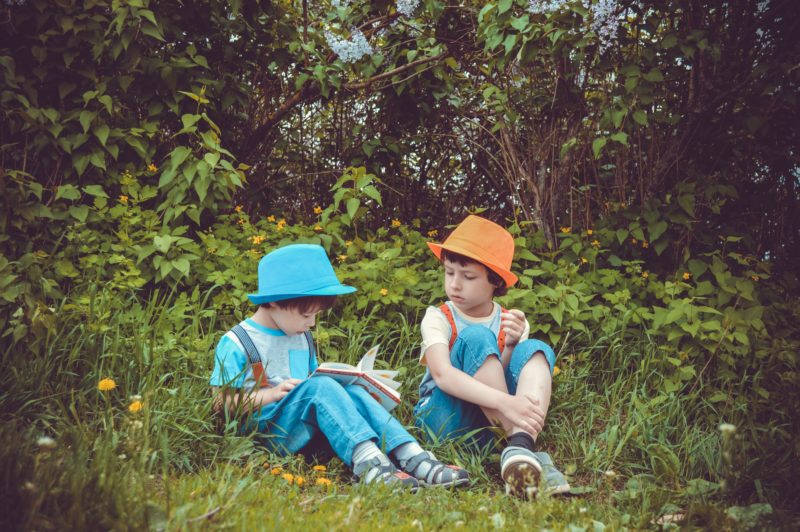
Reading from a young age helps a child develop a love and appreciate for books but it goes much deeper than that developmentally.
A child who is familiar with books is better prepared for school.
Reading to and with children has found to be directly related to language growth, emergent literacy and reading achievement.
The frequency to which a child is read to and has exposure to books does have a direct link to their literacy outcomes at school.
The difference between a child who has had constant exposure and reading to one that has not is noticeable in their reading and cognitive skills.
It is important to note that the differences are not related to the child’s family background or home environment but are the direct result of how frequently they have been read to prior to starting school.
Reading can also be a fun and imaginative way for children to experience other worlds.
Reading also helps a child with their language development through these five early reading skills.
Skills required for literacy and language development
- Phonemic awareness—This is the ability to hear, identify, and play with individual sounds (phonemes) in spoken words.
- Phonics—This is the ability to connect the letters of written language with the sounds of spoken language.
- Vocabulary—The words kids need to know to communicate effectively.
- Reading comprehension—This is the ability to understand and get meaning from what has been read.
- Fluency (oral reading)—This is the ability to read text accurately and quickly.
Good literacy skills are linked to
- Higher self esteem
- Better health
- Better outcomes in the longer term. For example studies have shown that a child how has good literacy skills has a greater range of job opportunities when they are older.
We play a vital role in not only the development and ability of a child’s reading but in their enjoyment also.
Promoting reading
- Lead by example. have newspapers, books, magazines, etc around and model that reading is not a chore.
- Read together.
- Sing songs, nursery rhymes
- Read with them from a young age (baby)
- Tell stories
- Make up songs, actions, etc
- Tell poems
- Read favourite books over and over and encourage your child to join in or take over the story
- Identify words in books. For example how many times does a familiar word come up in the story?
- Visit the local library
- Remove any distractions such as the TV when reading.
- When you read, especially when reading aloud, place your finger on the words as you say them, point to the picture and talk about the story and the pictures.
- Allow your child to pretend to read
- Show your child early book conventions such as turning pages carefully, front and back.
- Don’t push it. If they don’t show interest don’t force it. Wait and try again at a later time.
- Make the time frame age appropriate. Young children lose concentration and attention quickly so limit the time to what is achievable such as 10 minutes.