Learning to ride a bike
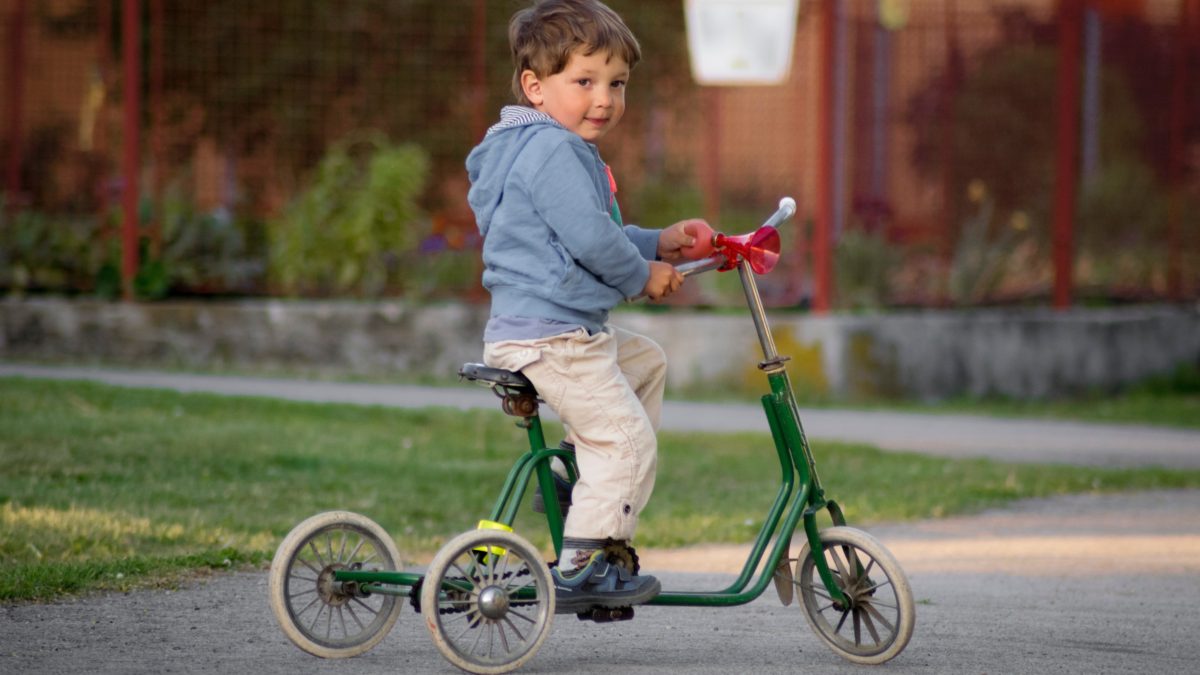
Learning to ride a bike usually means falls and scrapes in the process of mastering the bike.
It is an important physical development milestone in a child’s life.
It requires attention, balance, eye hand coordination, mathematical concepts and so much more as part of the process of learning to ride a bike.
There is no rhyme or reason or specific age that a child should be unleashed on the bike riding experience.
Generally, a child will show signs that they are interested in riding a bike and this may be as young as 2 years or as old as 10 years.
Most children generally learn to ride a bike between 3 years and 8 years. The average age is around 5 years old.
Learning to ride a bike can be a stressful, challenging and rewarding time.
Skills a child will learn
When it comes to learning to ride a bike a child will learns skills such as:
- Balance
- Coordination
- Steering
- Spatial awareness
- Pedaling
- Sequencing
It is important that when a child is learning to ride a bike that the focus on the skills a child has in relation to their stage of development. This will make the difference between achieving or frustration and failure.
A child who has good balancing skills will master riding a bike quicker than a child who has limited balancing skills.
A child between 18 months and 4 years is developing and fine tuning their balancing skills. Balance bikes are such a good option for this age group.
Strategies for learning to ride a bike
- The ideal age is considered to be around 5 or 6 years (without training wheels). Basically they need to have enough balance and co-ordination to be able to hop on one foot or skip.
- Choose a safe area to learn. It’s best to choose somewhere that is not only flat and away from roads but also away from others or high foot traffic.
- They will inevitably fall off from time to time. They will be more frustrated than hurt most of the time.
- Let them learn at their own pace.
- Try to teach them how to fall off without hurting themselves too much. i.e. not breaking their fall with their hands.
- Let go. As hard as it may be we need to let them go once we have helped them start pedaling and steering. Stay with them, this will give them more confidence but also allows you to catch them if needed.
- Explain road safety. Of course, you will be with them but it is a good idea to embed road safety early on and it then becomes ingrained.
- The bike should fit the child. Ensure you have the correct sized bike. A bike that is too big and makes a child rely too heavily on training wheels will often create instability which will inevitably make a child lose confidence and interest. A child should be able to sit in the seat and both feet touch the ground. They should be able to easily reach the handle bars with their arms slightly bent
- Safety first. Make sure you have the appropriate safety equipment. Of course a good fitting and well fastened bike helmet but also take into consideration their clothing. You don’t want their clothing to hinder their attempts or pose a safety hazard. A skirt or baggy legged pants for example is not ideal for learning to ride a bike. Additionally, be mindful of their choice of foot wear. They should be not able to slip off the pedals easily, are on securely and if wearing shoes with laces are not going to get stuck in the pedals.