Fear of new foods
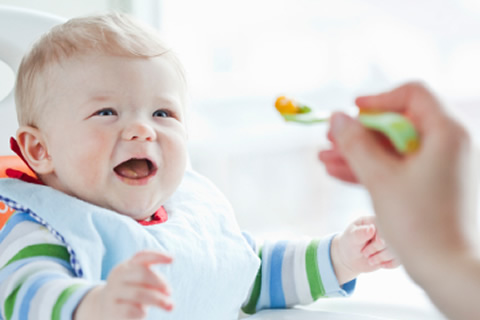
Fear of new foods technical name is Neophobia. It is particularly common in toddlers and young children and for them it is a a real fear. The term Neophobia has become quite a common term in relation to understanding difficulty with feeding and eating
Children can genuinely have a fear of new foods that are being introduced.
It actually is a quite common fear in children. Acknowledging the child’s fear can form part of a strategy to help them deal with this fear.
It is critical for a child with such a fear to never force a new food on a child.
Introducing any new food often takes many exposures before a child will actually eat or determine they like a food. More time and exposure to the new food will be needed if they display a fear of the food.
Continuing to offer new foods will over time help increase the likelihood that your child will eventually taste and maybe even like a new food.
What to do if your child has a fear of new foods
- Remain calm. The child is not trying to make the situation a tense one. It is a genuine fear of trying new foods.
- Try not to label your child’s eating habits. If it becomes ‘a thing’ then you run the risk of stepping into the territory of the child defiantly not eating it and therefore become and remain notorious for not eating it. It can quickly become a power struggle.
- Labeling a child may affect their self esteem. A child may feel targeted, belittled and misunderstood for having the fear of trying new foods. It can create a negative food association.
- Understanding is the key.
- Establish a ‘at least taste each food on your plate” concept. This may or may not work. It has been proven to work with some children but others may point blank refuse regardless.
- Role model. Children mimic adult behaviours so if another family member will not eat new foods, you cannot expect your child to either. Think about how you may be modelling eating habits.
- Food preferences change with time so keep offering the food.
- Children need to enjoy eating and it should not be a pleasant experience. Eating should not be rushed or forced. A child should not feel they need to eat to please others or gain attention.
- Be patient and persistent. Any new foods sometimes need to be presented up to 8 or 9 times in a short period, before they will decide if they like it or not.
- Introduce new foods when a child is not tired, unwell, cranky or if their situation or environment has not recently changed.
- Don’t bribe. Bribing them may seem like a good idea to get them to eat but it is not helpful in the long term.
- Start with smaller portions. If you place smaller portions on their plate then they may not feel so overwhelmed at eating it. You can increase the portions as time goes on. Smaller portion sizes allow the child to feel success at eating.
- Remain as calm as possible. Once you show your stress then it can become a issue of power. The child may continue to refuse the food/s, especially if your stress leads to bribing and/or the food they are holding out for.
- Don’t force a child to eat.
- You could try reverse psychology. This has a limited shelf life really as once you have done this it is not really something that can be used too many times again as the child will possibly see the ploy here. Here is an example ” ohh, that’s mummy’s favourite. I really love that, don’t eat it all”.