Travelling safely with kids
while it all may seem a bit much….we think it is a good idea to be prepared for all eventualities so like the saying goes
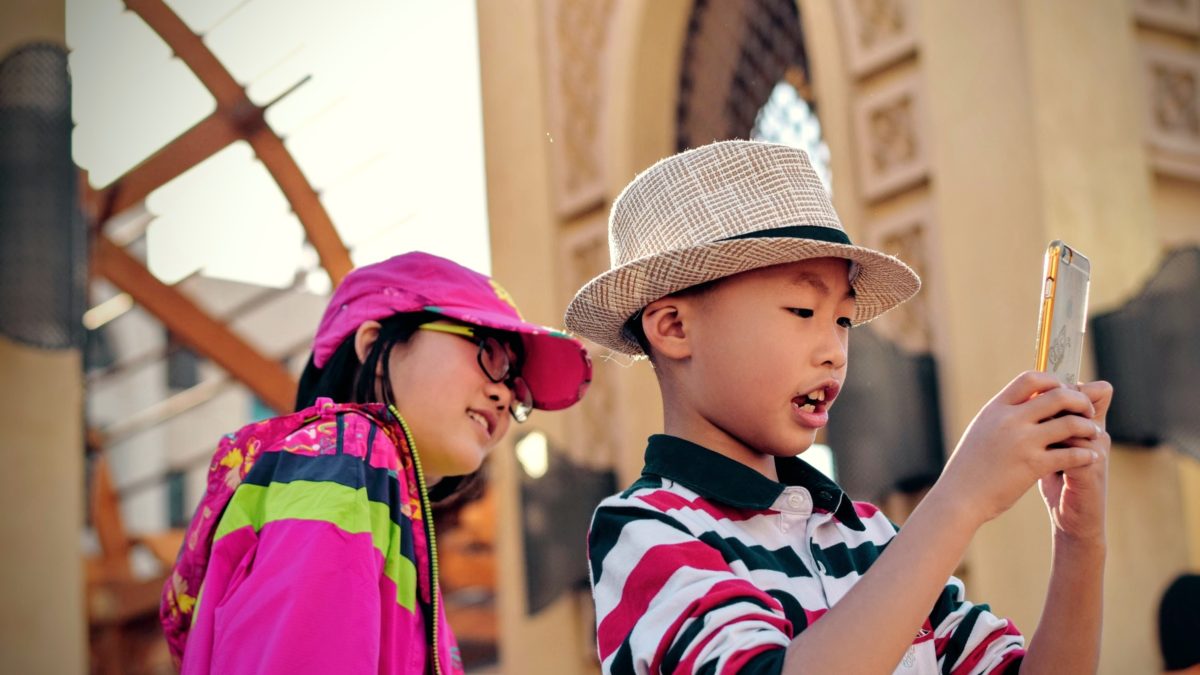
Travelling with kids can be rewarding.
The thrill of the adventure. The excitement of exploring.
Travelling with kids can be a educational experience and enriching. It too can be risky.
It is vital we remain aware of potential risks. Preparing for safe travel is key to less stressful travel.
Safety precautions can help to keep your family safe when arriving at a new destination.
First and foremost is vital to be well researched and well informed about the country you are travelling to.
Know and respect the local customs and laws.
Knowing the local dress codes, laws and customs means your visit to the country will be more positive.
Your presentation such as your dress will mean you will look less like a tourist. Not being recognized as a tourist will reduce your likelihood of being a target of pickpockets, etc.
Keep up to date with the travel advice and bulletins for your destination.
Just as you wouldn’t go to the shops to buy groceries without knowing what you need you shouldn’t go to any country without checking it’s safe.
It is vital to be aware of any safety issues or announcements in regards to the country of your destination before you go. This is made very easy today with the development of travel advice websites and Government bulletins websites.
Before you head off, and even before you plan your trip, click onto the travel websites and check the latest travel warnings, alerts and advice.
With the Government websites in your country you can also register your travel plans with them so they can help you should there be an event/incident or you need assistance.
We highly recommend this as a great precaution given the climate today.
Top safe travel tips
- Update your First Aid.
- Research the area- for safety, for their customs, to plan an itinerary. Ensure you are educated with things to be aware of or alert to.
- Take a small, well equipped, first aid pack. Include main medicinal items such as gastro stop, diarrhea stop. Ensure they are suitable for all the family. Consider a mild, general antibiotic prescribed by your Doctor.
- Plan your trip. It’s like being at home to some degree as you have a general routine for everyday living so it is advisable to have some routine like elements to the day to save your sanity. Having the trip roughly planned allows you to have a guide of what you can do, rest times, etc.
- Make sure everyone knows what the day entails. Ensure everyone knows where they are going, what to do when separated, etc.
- Make sure your child has emergency contact details on hand. A wrist band or information their backpack in the event if they get lost.
- Take a family photo and everyone has a copy. That way if they do become separated they can show the photo for identification.
- Practice emergency situations and what your child should do.
- Identify landmarks as part of your emergency drill if they become separated.
- Avoid known illness and disease ‘hot spots’ such as Malaria areas for children less than 6 years.
- Take or organize appropriate car restraints.
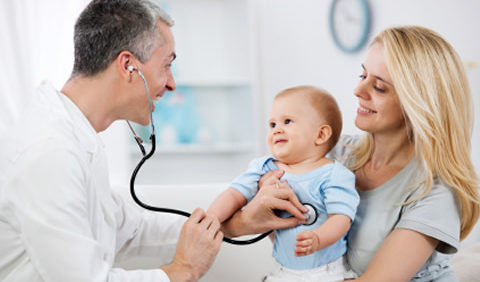
- Visit your Doctor. Have a routine health check.
- Check are there are any vaccinations needed. Allow 6-8 weeks before going to ensure all vaccinations are complete.
- Be vigilant. Use safe travel techniques such as not drinking the tap water.
- Kid proof your accommodation. Scan the room looking for any hazards.
- Ensure your child wears footwear at all times to prevent infections.
- Have a medical plan.
- Educate children not to touch animals. In Asia, Africa, and parts of South America and Mexico, rabies is a problem.
- Don’t take unnecessary risks. Make smart choices.