Literacy
Literacy and it’s development is evident in a child’s everyday life.
Opportunities to enhance literacy in turn promotes a child’s knowledge and comprehension.
All developmental areas are intertwined and complement and correspond with each other.
All areas of development work in collaboration with each other to facilitate the other developmental areas.
Literacy development is just as vital a component as any other area of development.
If a child has not been exposed to or had positive experiences with literacy then as they get older it gets the harder to develop a love of reading, to get them to read books or be interested in reading, literacy etc.
What is literacy?
Literacy is the ability to recognize letters, words have meaning and associated text and understand the connection between letters and sounds.
Literacy is not just about reading and writing.
Literacy is about learning sounds, words, language.
For literacy to develop you need to go back to the building blocks for literacy which is a child’s ability to verbalize through speaking, their ability to listen and understand as well as learning through watching those around them.
Literacy in the early years provides the foundation for elements such as impacting on the development of their independence, their ability to do well when they go to school, and it also can influence how they socialize with others.
Children learn by example and the experiences and opportunities that they are able to participate in whereby they can practice what they learn.
Communication is critical in the development of literacy and is evident from a young age.
A baby will respond to your voice, your interactions, your smiles and so on and will imitate these and babble in the beginning. This is the beginning stepping stones to literacy development.
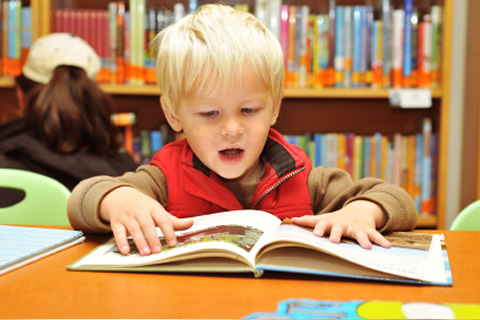
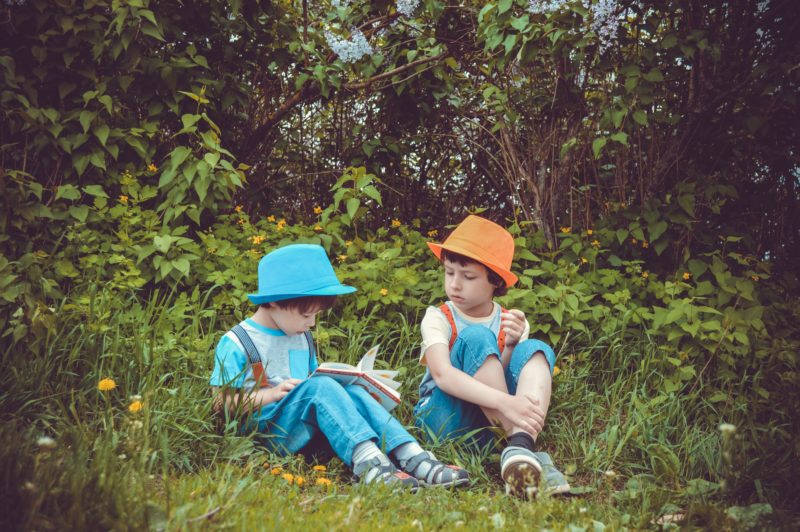
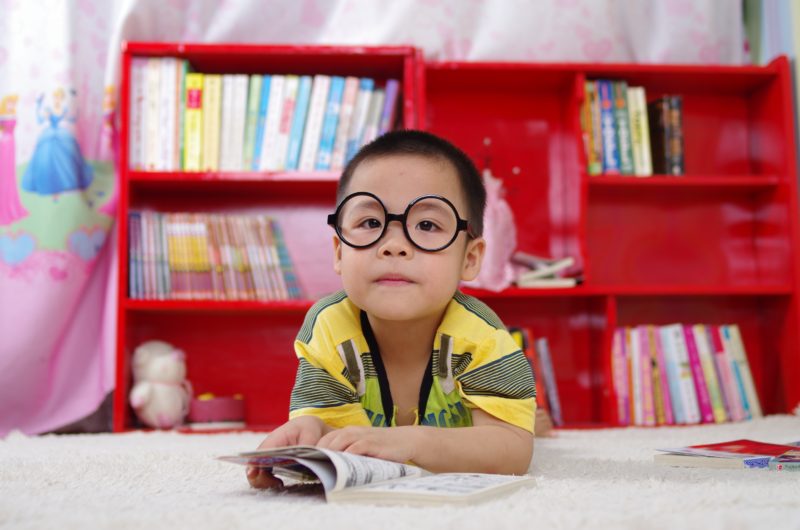
Listening and reading to your child everyday can build literacy skills.
Another important way literacy can be promoted is by a child’s exposure to pictures and use words to describe and/or talk about them, sounds such as rhyming and as they get older looking at syllables, sounds like, blending of sounds, exposure to music, etc.
The development of literacy skills in everyday
- Talking and taking turns in conversations, listening to others, talking about themselves and their actions, expressing their feelings, singing or telling stories, rhymes, etc.
- Carrying out instructions from simple one command instructions to more difficult instructions which may involve 3 or more commands such as “Please put your toys away and go to the bathroom and brush your teeth”.
- Watching and listening to adults and other children.
- Asking questions, talking about their day, problem solving, etc.
- Choosing their book or asking for a story.
- Playing card or board games.
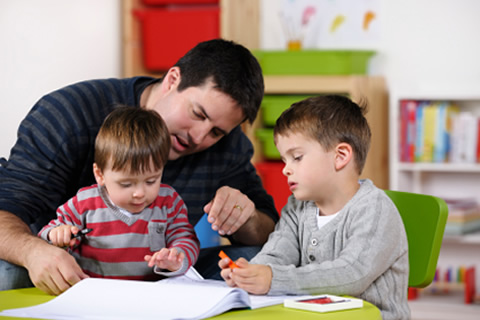
- Scribbling, drawing and painting with crayons, textas, pencils, paintbrushes or any activity that they interact in making shapes, letters, etc. Activities where they are aware that writing has meaning and therefore attempting to draw or write letters and words or their name.
- To develop spelling and vocabulary play word games with your child such as I spy, scrabble, find a word, etc.
- Make the writing of notes, letters and stories a natural part of family life.
- Look, identify and discuss everyday signs.
- Make a shopping list with your child and get them to help ‘tick’ off the items you have collected.
- When reading take the time to enjoy the whole book. Look at the cover, the title, the pictures. Talk about what the book might be about and as you read what might happen next. When completed the story ask questions.
- Mark special events on the calendar.
- When a child is helping with the cooking read the recipe out loud.
- Keep a diary either together or they can write and record themselves as they get older. This can be at certain times such as a trip or can be a special everyday moment. If doing a diary when travelling don’t forget to collect brochures too.
Promoting literacy development
- Provide many varied opportunities to interact or be involved in.
- Have a wide range of literature available.
- Share the experiences.
- Speaking, reading and writing are all linked so a combination of all is a good practice.
- Conversation is a good way to connect and allow the child to feel involved.
- Use everyday tasks to excel their experience and learning. Tasks such as bathing, shopping, etc
- Praise.
- Be patient.
- Show by your behaviour that you are listening and not just hearing.
- Make up stories together.
- Copy sounds and babble with your baby.
- Interact with them. Build on their conversation and responses.
- Play word games such as ‘I’m thinking of a word starting with er”. This allows them to identify sounds and blending of sounds.
- Sing with them.
- Talk about feelings and ask them how they feel. This not only allows them to discuss but will provide the opportunity to understand and describe emotions.
- Ask questions, add information that link your child’s ideas.
- Talk with them about their day…what you are doing with them, what they are seeing.